Insights into all the latest

Research in the News

Tracking the pulse of the latest spinal cord injury research news — from lab breakthroughs to clinical milestones.

Author's Current Top 3 to Read

1

15 JUL 2026

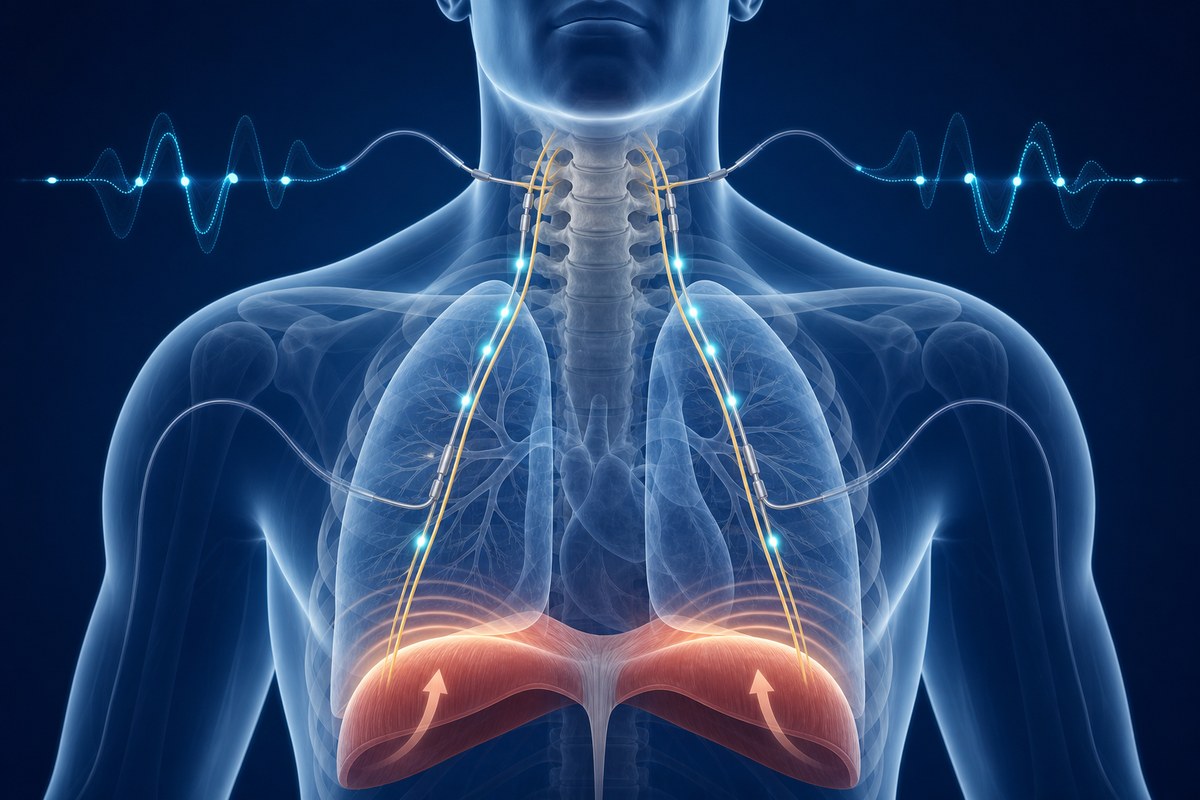
How to train your breathing after SCI: intensity beats everything else

A study of 81 people with SCI at Switzerland's leading rehabilitation centre found that training intensity and duration predict respiratory improvement far more than injury level or personal characteristics.

Deep Dive

If you have a spinal cord injury — particularly at a cervical or high thoracic level — the muscles that control your breathing are likely affected. Most people with SCI know this in a general way: reduced lung capacity, difficulty clearing the chest after illness, or shortness of breath with effort. What's been less clear is which training approach actually improves this, and whether the severity of your injury limits what's possible.

New research from the Swiss Paraplegic Centre in Nottwil — one of Europe's leading SCI rehabilitation hospitals — gives a more concrete answer than we've had before. The headline finding is both simple and actionable: train hard, train often, and keep going for at least three months. Almost everything else is secondary.

What the study did

Researchers analysed data from 81 people with SCI who completed respiratory muscle training programmes at the Swiss Paraplegic Centre. Participants spanned a range of injury levels and severities — both complete and incomplete injuries — as well as different ages, body types, and baseline fitness levels. This mix was deliberate: the researchers wanted to understand which factors predicted better respiratory outcomes at the end of training.

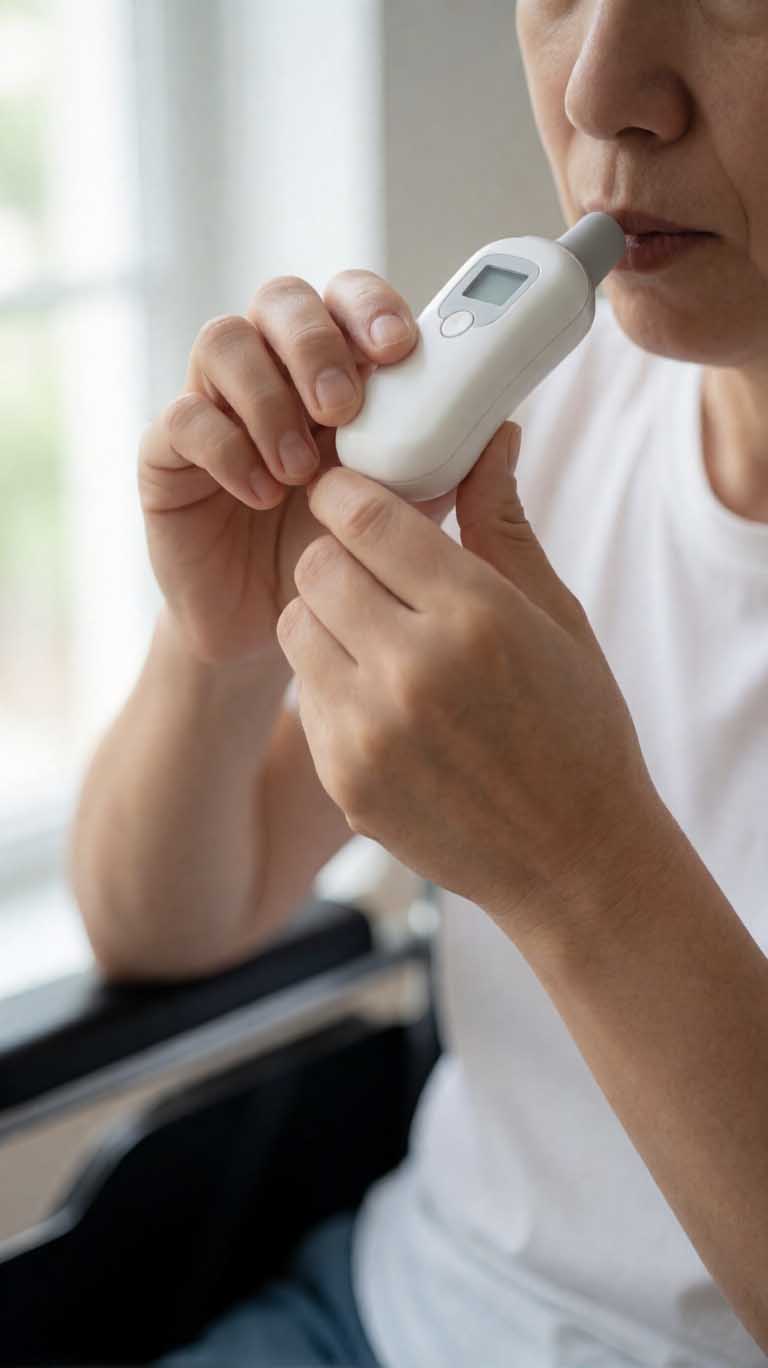
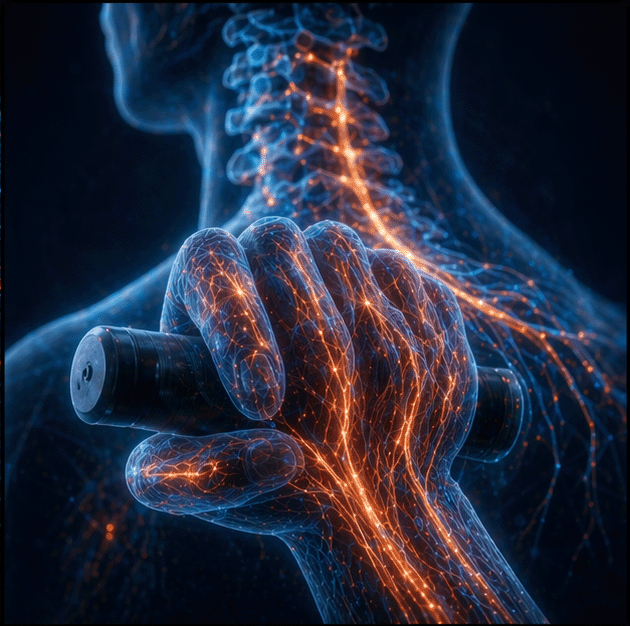
The training used inspiratory muscle training (IMT) devices — small handheld tools that add resistance to your breathing, similar in principle to a breathing weight. Participants trained at varying intensities and for varying durations as part of their rehabilitation plans.

What they found

When the researchers modelled which factors predicted improvement in respiratory muscle strength, training intensity and programme duration emerged as the dominant predictors — by a significant margin. Personal characteristics like age, sex, and body weight had comparatively little predictive power. Injury characteristics — level, AIS classification (complete vs incomplete), and time since injury — also mattered far less than the training variables themselves.

The practical implication is striking: someone with a complete C4 injury who trains consistently at high intensity for four months is likely to see more improvement than someone with an incomplete C6 injury who trains at moderate intensity for six weeks. The injury doesn't cap your gains as much as the training approach defines them.

The researchers' specific recommendations: train at the highest intensity you can sustain, three to five times per week, for a minimum of three months.

Why respiratory muscle strength matters so much

Pneumonia is the leading cause of death in people with AIS A (complete motor and sensory loss) and AIS B (complete motor loss, some sensory preserved) spinal cord injuries. The primary reason is that impaired respiratory muscles make it harder to cough forcefully and clear the airways of secretions — a problem that becomes critical during a chest infection.

Stronger respiratory muscles translate directly into a more effective cough, better ability to manage respiratory illness at home, and — critically — a reduced risk of pneumonia requiring hospitalisation or mechanical ventilation. The stakes are high enough that this is one area of rehabilitation where the evidence really matters.

Why this study is worth paying attention to

The Swiss Paraplegic Centre treats around 300 new SCI patients a year and carries one of the largest longitudinal SCI rehabilitation datasets in the world. Research from this centre tends to be grounded in clinical reality rather than tightly controlled experimental conditions — these were real patients doing real rehabilitation, not a highly selected research cohort. That makes the findings more directly applicable to practice.

The study also addresses a question that's been genuinely uncertain: does it matter who you are, or does it matter what you do? The answer, clearly, is the latter. That's useful information for patients deciding whether to invest in a training programme, and for clinicians deciding how to structure one.

Reader Q&A

Should I be doing respiratory muscle training? If you have a cervical or upper thoracic SCI and you ever notice difficulty clearing your chest, shortness of breath, or recurring respiratory illness, then yes — it's worth discussing with your physiotherapist or rehabilitation doctor. The evidence is now reasonably strong that structured training helps, and the risk is low.

What kind of device is used? Inspiratory muscle training (IMT) devices are small handheld tools you breathe through against adjustable resistance. They're available without prescription and relatively inexpensive. Your physiotherapist can advise on the right resistance level and technique for your situation.

Does this apply to incomplete injuries too? Yes. The study included both complete and incomplete injuries, and the key finding — that training intensity matters more than injury characteristics — applied across the range.

What if I've had my SCI for years? Is it too late to benefit? Time since injury was not a strong predictor of training response in this study, which suggests it's never too late to benefit. That said, starting respiratory training earlier in rehabilitation tends to establish better habits and baselines — so earlier is generally better, but later is still worth doing.

Read full article → (external link)
2

9 MAY 2026

The Brain May Move With the Abdomen: Why This Could Matter for Brain Fog and Blood Pressure Problems After SCI

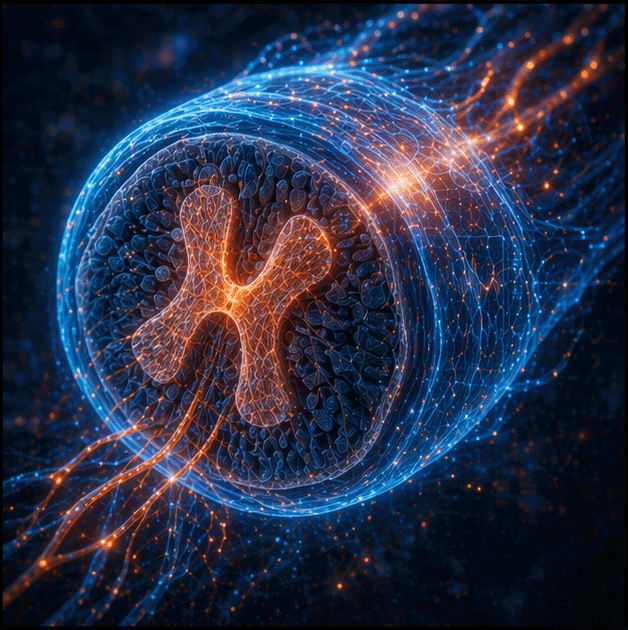
A new Nature Neuroscience study shows that brain motion in awake mice is driven by mechanical coupling with the abdomen, not mainly by breathing or heartbeat. This is not an SCI study, but it may open a new way to think about secondary problems after spinal cord injury, including blood pressure instability, altered cerebral blood flow, and cognitive fatigue.

Deep Dive

This is a News + story. The main paper is not about spinal cord injury, but it may matter to SCI research because it reveals a body-brain mechanism that has been largely overlooked.

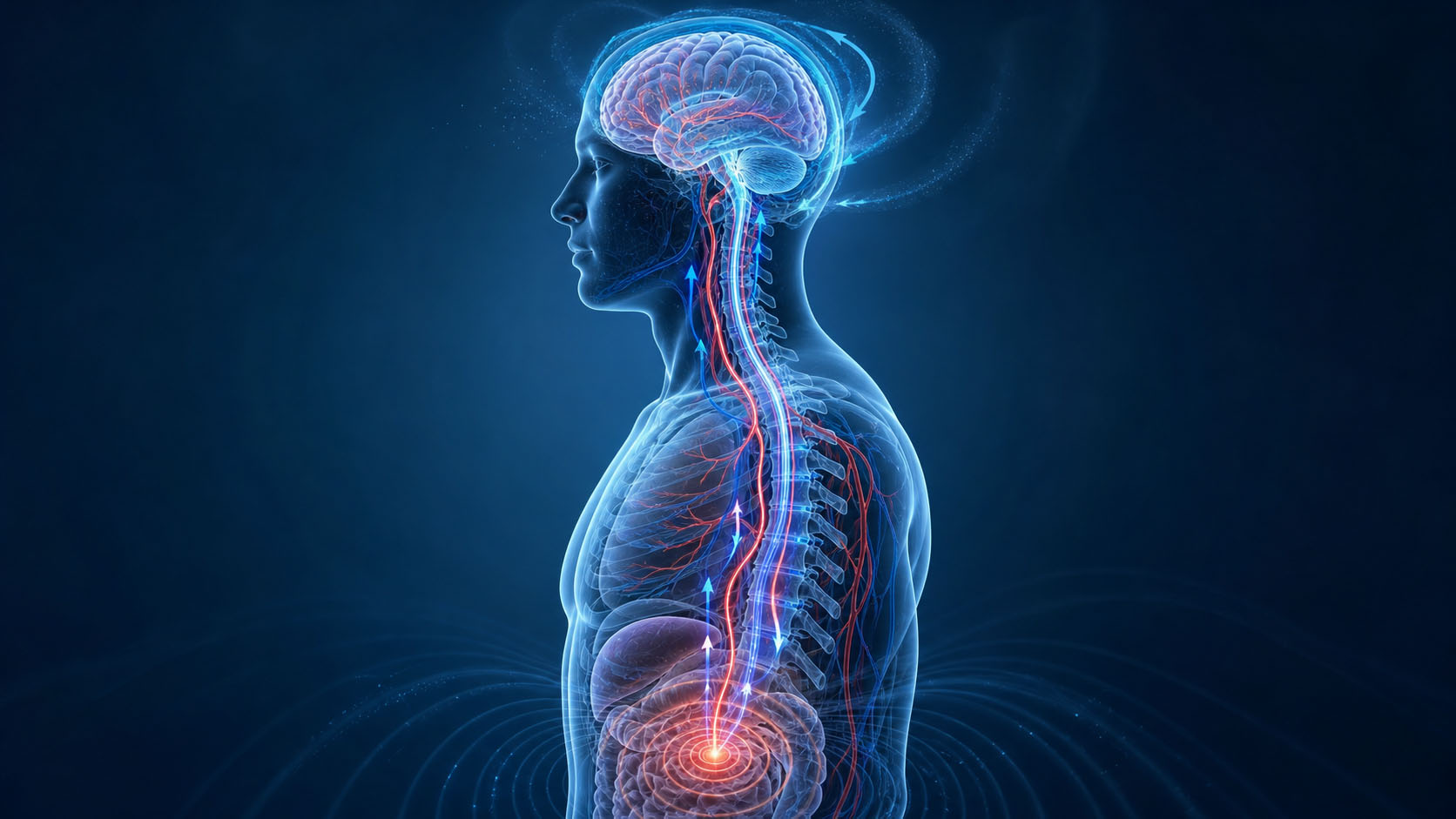
The study, published in Nature Neuroscience, found that the brain is mechanically linked to the abdomen. In awake mice, the brain moved inside the skull during locomotion, and that motion was driven mainly by abdominal muscle contractions. The movement was not primarily tied to breathing or the heartbeat.

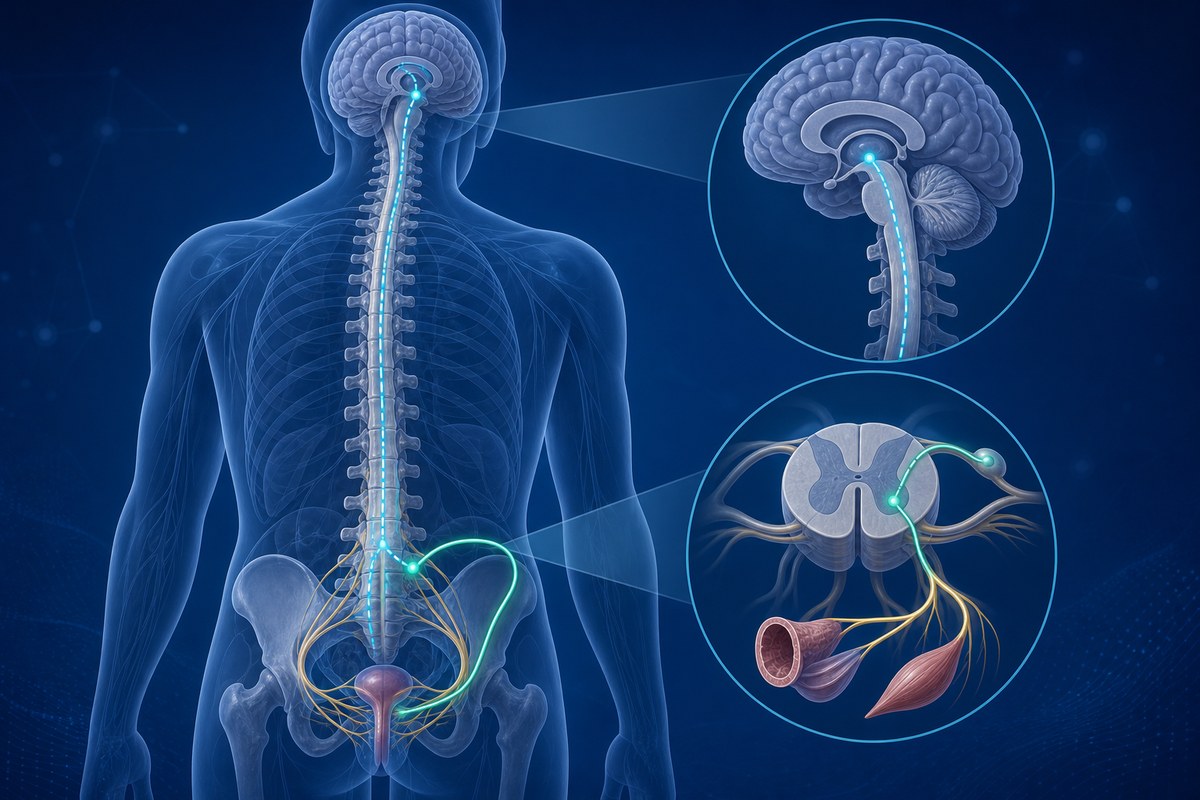
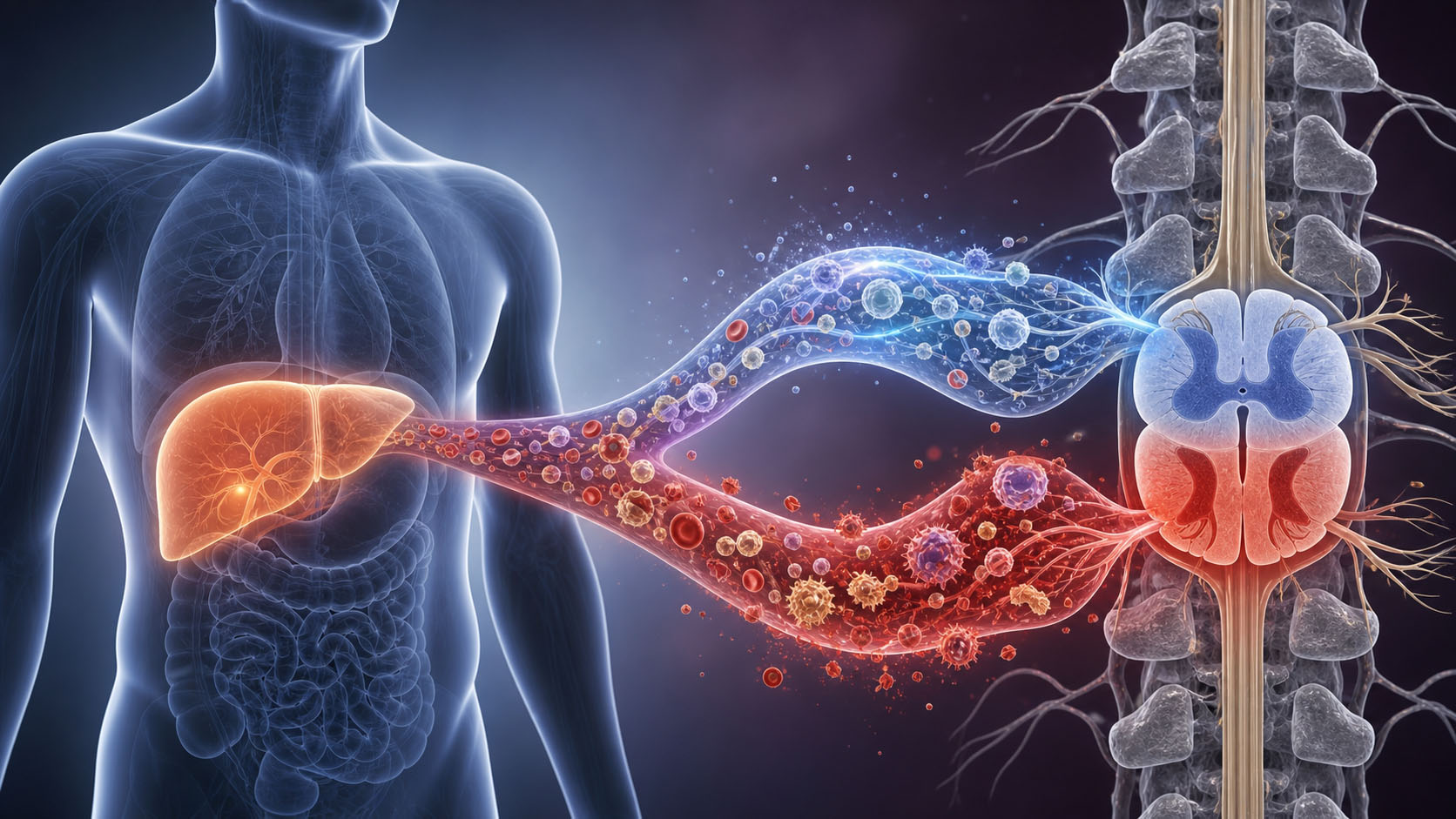
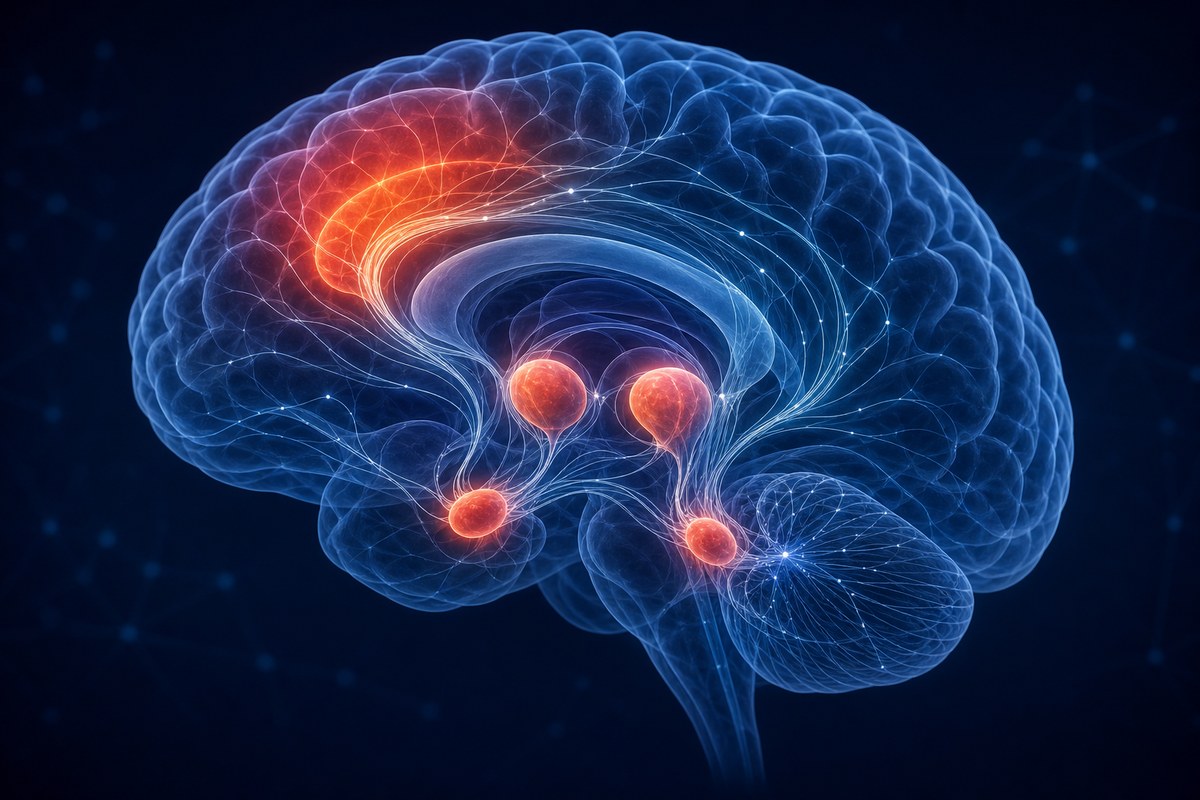
That may sound like a small technical finding, but it could matter. The researchers suggest that abdominal pressure can travel to the brain and spinal canal through a hydraulic-like vascular route, probably involving the vertebral venous plexus. Their modelling also suggests that this brain motion may help move interstitial fluid and cerebrospinal fluid, or CSF, through and out of the brain during wakefulness.

For people with spinal cord injury, this raises an important question: if SCI disrupts abdominal muscle control, autonomic blood pressure regulation, upright movement, and cerebral blood flow, could it also alter this newly described abdomen-brain mechanical system?

The answer is not known yet. But the connection is strong enough to deserve attention.

Author(s):

C. Spencer Garborg, Beatrice Ghitti, Qingguang Zhang, Joseph M. Ricotta, Noah Frank, Sara J. Mueller, Denver I. Greenawalt, Kevin L. Turner, Ravi T. Kedarasetti, Marceline Mostafa, Hyunseok Lee, Francesco Costanzo, and Patrick J. Drew.

Source:

Penn State Neuroscience Institute, Penn State Center for Neural Engineering, The Pennsylvania State University, The University of Auckland, Michigan State University, and collaborating departments. Published in Nature Neuroscience.

SCI context source:

Jill M. Wecht and William A. Bauman, James J. Peters VA Medical Center and Mount Sinai School of Medicine. Their review, "Decentralized cardiovascular autonomic control and cognitive deficits in persons with spinal cord injury", was published in The Journal of Spinal Cord Medicine.

What the brain-motion study found

The researchers used high-speed, multiplane two-photon microscopy — a specialist imaging technique that uses laser light to capture movement inside living tissue at very high resolution — to watch the dorsal cortex (the top surface of the brain) move relative to the skull in awake, head-fixed mice. They found that the brain moved mainly rostrally and laterally, meaning forward and sideways.

The movement was tightly linked to locomotion. When the mice moved, the brain moved. But the timing did not match the cardiac cycle or normal respiration. Instead, the key driver appeared to be abdominal muscle contraction.

The team found that abdominal contractions could activate a pressure route between the abdomen and the nervous system. They also showed that applying pressure to the abdomen could induce similar brain motion.

In plain English, the brain may not be as mechanically isolated from the body as we usually imagine. The skull protects it, but pressure changes from the abdomen may still reach the brain through vascular channels connected to the spinal canal.

The vertebral venous plexus: a possible pressure pathway

The vertebral venous plexus is a network of veins around the spine. These veins are valveless, meaning pressure can be transmitted through them more freely than through many other blood vessels.

The Nature Neuroscience paper describes this system as a possible hydraulic link between the abdomen and central nervous system. When abdominal pressure rises, that pressure may be communicated to the spinal canal and brain.

A useful analogy is a connected plumbing system. If pressure rises in one chamber, fluid and pressure shifts can affect another chamber connected to it. In this case, the abdomen, spine, and brain may be mechanically linked more than previously appreciated.

The researchers also suggest that this motion may help drive fluid movement in the brain. That matters because the brain relies on CSF and interstitial fluid movement to help distribute molecules and clear waste. CSF, or cerebrospinal fluid, is the clear liquid that cushions and surrounds the brain and spinal cord. Interstitial fluid is the fluid that fills the tiny spaces between brain cells. Both need to circulate to keep the brain healthy. This is related to the broader field of glymphatic research — the study of the brain's own waste-clearance system, which operates largely during sleep and movement.
Where SCI enters the picture

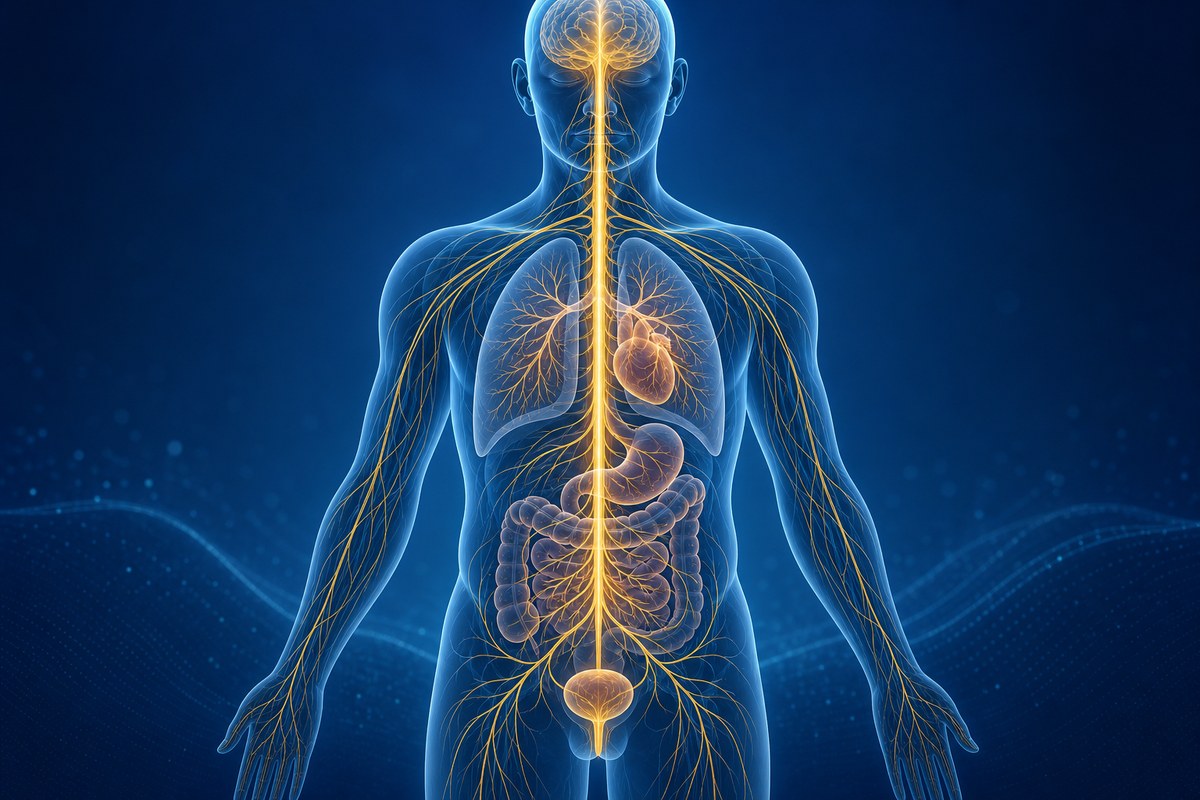
Spinal cord injury often changes far more than movement and sensation. It can disrupt autonomic control: the body's automatic regulation of blood pressure, heart rate, blood vessel tone, sweating, bladder, bowel, and temperature.

The SCI review by Wecht and Bauman describes how cardiovascular autonomic disruption may contribute to cognitive problems after SCI. People with higher injuries may experience low blood pressure, orthostatic hypotension (a drop in blood pressure when sitting up or standing, causing dizziness or faintness), bradycardia (an abnormally slow heart rate), and episodes of autonomic dysreflexia (a potentially dangerous spike in blood pressure triggered by stimulation below the injury level — something many people with cervical or high thoracic injuries will be familiar with). Some people may have reduced resting cerebral blood flow, or a weaker increase in brain blood flow during cognitive tasks.

The review also notes that cognitive deficits after SCI can include problems with memory, attention, processing speed, and executive function. These problems are often blamed on traumatic brain injury or pre-existing factors, but the authors argue that cardiovascular and cerebral vascular dysfunction may also contribute.

This is where the new brain-motion study becomes interesting. It adds another possible layer: body mechanics and pressure-driven brain movement.
A possible new link: pressure, movement, and brain fluid dynamics

In SCI, several things could plausibly affect abdomen-brain mechanical coupling.
First, trunk and abdominal muscle control may be reduced, depending on injury level and completeness. If abdominal muscle activity helps drive brain motion during movement, altered trunk activation could change that mechanical input.

Second, upright movement is often reduced after SCI. Locomotion and body movement were key triggers of brain motion in the mouse study. Less frequent standing, walking, stepping, or trunk-driven movement could mean less of this movement-linked brain fluid activity, though this has not been tested in SCI.

Third, autonomic blood pressure regulation can be unstable. People with SCI may experience low blood pressure, poor orthostatic tolerance, autonomic dysreflexia, or abnormal vascular responses. These could interact with pressure and flow in the spinal and cranial venous systems.

Fourth, bowel and bladder events are already known to be powerful triggers for autonomic dysreflexia in susceptible people. The brain-motion paper discusses abdominal pressure and notes that voiding or defecation can influence pressure states. In SCI, those same pressure events can be medically risky. That makes the connection relevant, but it also means it must be handled carefully.

What this could mean for brain fog after SCI

Many people with SCI describe brain fog, fatigue, light-headedness, poor concentration, or worse thinking when upright, hypotensive, overheated, sleep-deprived, or after autonomic episodes. The established explanation often focuses on blood pressure and cerebral blood flow.

That explanation still matters. If the brain is not getting stable blood flow, thinking can suffer.

The new paper suggests researchers may also need to ask whether pressure-driven brain movement and CSF dynamics are altered when autonomic control, abdominal pressure, movement, posture, and venous flow are changed.

This does not mean brain fog after SCI is caused by reduced brain motion. That would be too strong. But it does suggest a new research question: could altered body-brain mechanics be one contributor to cognitive symptoms in some people with SCI?

Why this should be written carefully

This Nature Neuroscience study was done in mice, not people with SCI. It did not test spinal cord injury, orthostatic hypotension, autonomic dysreflexia, wheelchair users, abdominal binders, bowel care, bladder routines, or cognitive symptoms.

The SCI review is also not claiming that abdominal pressure drives cognitive deficits. It focuses on cardiovascular autonomic control, blood pressure, cerebral blood flow, arterial stiffness, and cognition.

The link between the two papers is therefore a reasoned scientific connection, not a proven clinical fact.

What researchers could test next

A future SCI study could ask whether people with different injury levels show different brain motion, CSF flow, venous pressure dynamics, or cerebral blood flow during posture changes, trunk movement, abdominal compression, respiratory tasks, or safe rehabilitation activities.

Researchers could also examine whether abdominal binders, standing frames, assisted stepping, breathing training, functional electrical stimulation, bowel/bladder states, or autonomic dysreflexia history change brain blood flow or brain fluid movement.
Importantly, any study would need careful safety monitoring. For people at risk of autonomic dysreflexia, abdominal pressure and bowel/bladder triggers are not casual experimental tools.

Reader Q&A

Q: Does this mean abdominal pressure causes brain fog after SCI?

A: No. The study does not prove that. The more careful idea is that abdominal pressure, movement, venous flow, CSF movement, and brain mechanics may be connected. In SCI, where autonomic control and trunk function can be altered, this could become a useful research direction.

Q: Should someone with SCI try abdominal pressure, straining, or Valsalva manoeuvres (bearing down hard — the kind of effort used to equalise ear pressure or during certain exercises) to improve brain fluid flow?

A: No. That could be dangerous, especially for people at risk of autonomic dysreflexia, blood pressure spikes, dizziness, or cardiovascular complications. This story is about research, not a self-treatment.

Q: What type of SCI might this matter most for?

A: It may be most relevant to people with injuries that affect autonomic control, trunk muscles, blood pressure stability, or upright tolerance. Higher-level injuries are especially important because they are more likely to involve hypotension, orthostatic hypotension, and autonomic dysreflexia, but the idea needs direct testing.

The takeaway

This paper gives researchers a new way to think about the body-brain connection. The brain may be mechanically linked to abdominal pressure and movement through vascular pathways around the spine. For SCI, that could matter because injury can disrupt abdominal muscle control, autonomic blood pressure regulation, venous flow, posture, movement, and cerebral blood flow.

The immediate message is not treatment. The message is possibility: brain fog and cognitive fatigue after SCI may deserve investigation not only through blood pressure and brain blood flow, but also through pressure-driven brain and CSF mechanics.

Read full article → (external link)
3

15 JUL 2026

China performs first commercial brain-computer interface surgery for spinal cord injury

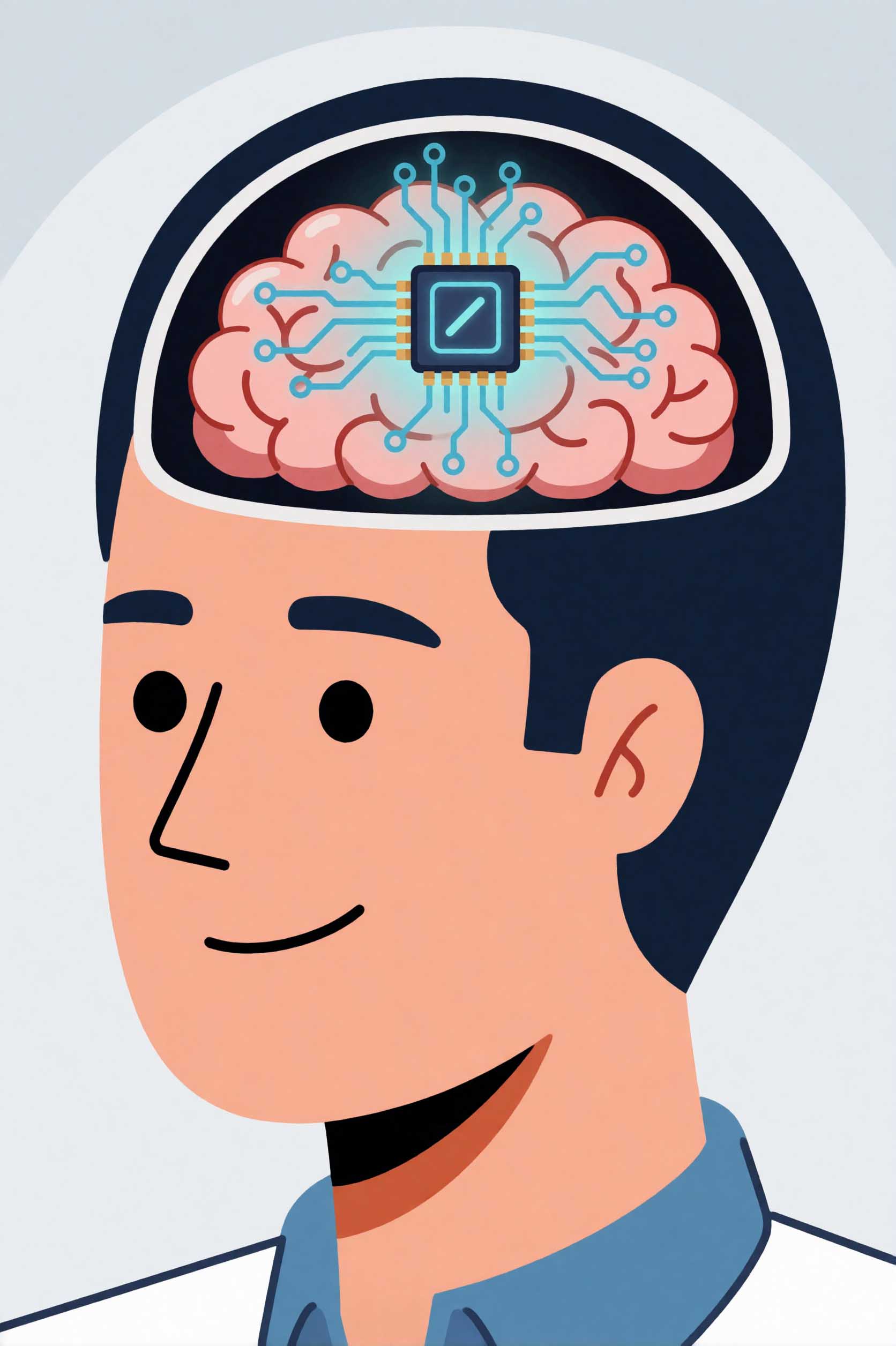
On July 13, a 35-year-old man with cervical SCI became the first person in the world to receive a commercially approved implanted brain-computer interface, during a six-hour surgery at Huashan Hospital in Shanghai.

Deep Dive

Last Sunday, a surgical team at Huashan Hospital — one of China's most prominent neurosurgical centres, affiliated with Fudan University in Shanghai — spent six hours implanting a small array of electrodes into the brain of a 35-year-old man who had lost voluntary use of his hands following a cervical spinal cord injury.

This wasn't an experimental procedure in the usual sense. The device they used — the NEO system, developed by Chinese company Neuracle Technology — had just received commercial approval from China's National Medical Products Administration (NMPA), the country's equivalent of the FDA. This surgery was the first performed under that approval.

If that sounds significant, it is. Until last week, no implantable brain-computer interface had ever been granted commercial approval anywhere in the world. Every previous BCI implanted in a person with paralysis — including those in US Neuralink trials — was done under research exemptions, not as a licensed product a doctor could simply prescribe. We covered the regulatory milestone when it was announced earlier this week; Sunday's surgery is the next chapter.

What the device does

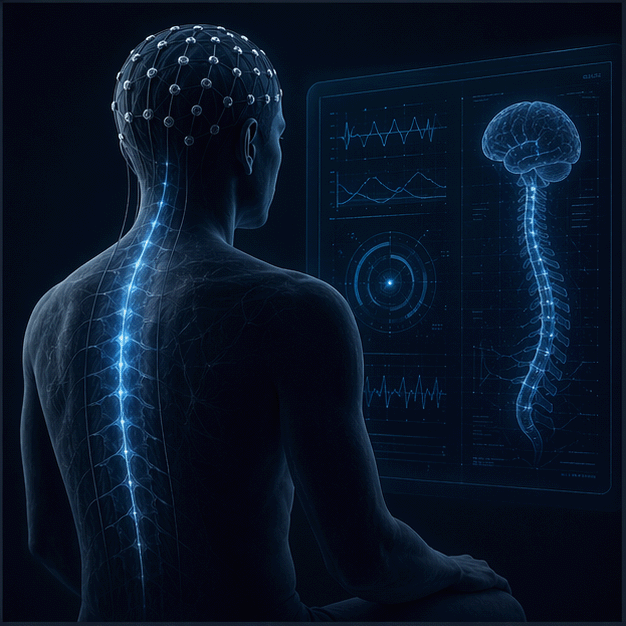
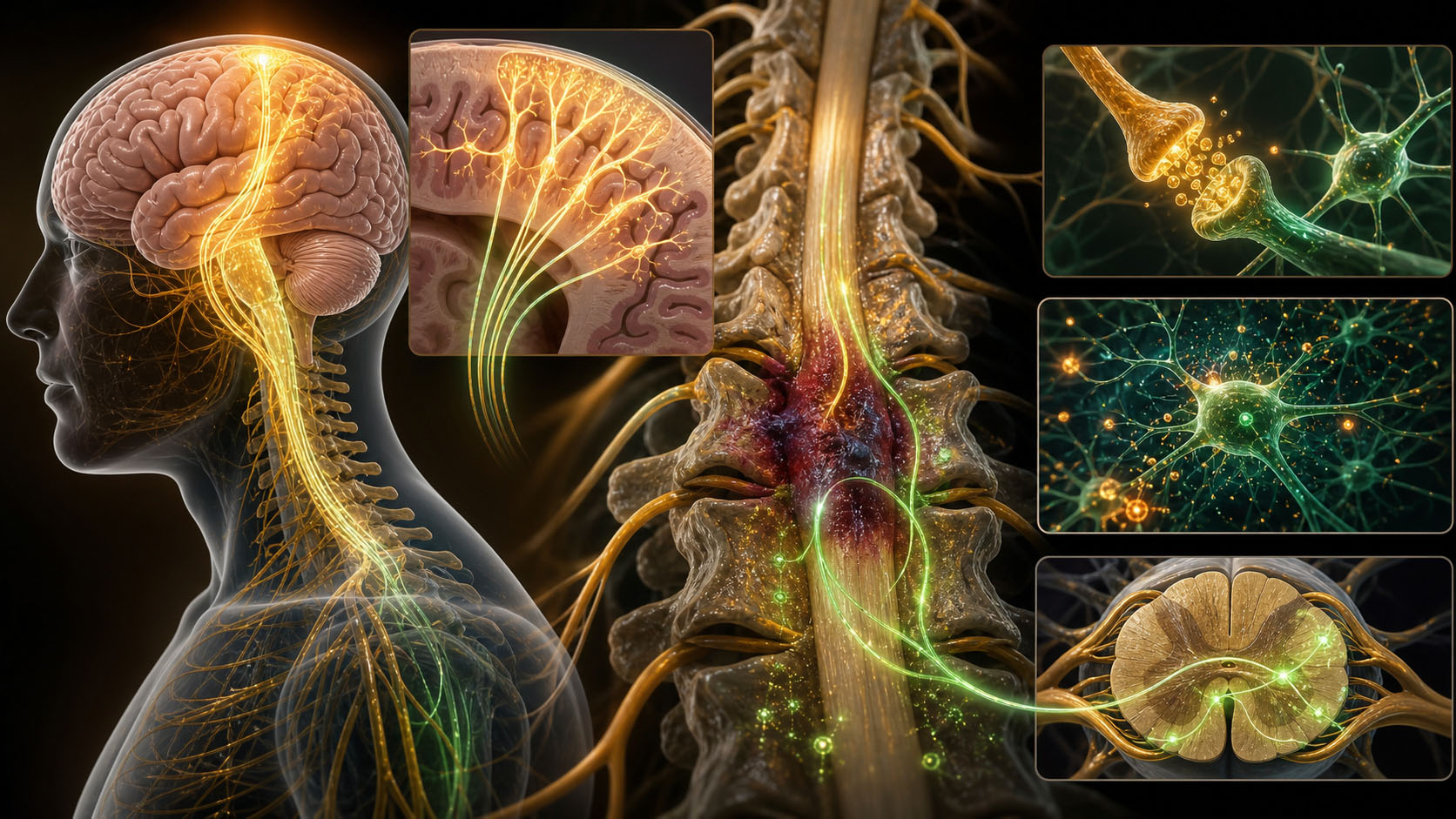
The NEO system is designed for people with cervical SCI — specifically those with injuries between C3 and C7 — who have lost voluntary control of their hands and fingers. The device consists of electrodes implanted into the motor cortex, the part of the brain that controls voluntary movement. It reads the electrical signals the brain generates when the person *thinks* about moving their hand, and translates those signals into commands that can stimulate muscles or control external devices.

The goal is what researchers call "thought-controlled muscle rehabilitation" — restoring functional hand use by creating a new pathway between brain and muscle that bypasses the damaged cord.

Following the surgery, the patient will need to commit to six hours of rehabilitation per day to train the system and rebuild functional connections. That's intensive, and it underscores that this isn't a passive implant — it requires significant sustained effort from the person receiving it.

Why China, and why now

China has an estimated 3.7 million people living with spinal cord injuries — one of the largest SCI populations in the world. Neuracle Technology has been developing the NEO system for several years, with clinical trials demonstrating safety and some functional benefit sufficient for the NMPA to grant commercial approval.

The specific evidence package used to support the approval hasn't been published in full, but the fact that a sovereign national regulator — with its own evidence standards — granted commercial status to an implantable BCI is notable. No other country has done this yet.

What this doesn't mean yet

It would be easy to read "commercially approved BCI" and assume this technology is now broadly available. It isn't. The NEO system is approved in China. It has not been reviewed by the FDA, the European Medicines Agency, or the MHRA. The approval pathway in China, while rigorous, differs from Western jurisdictions, and each regulator will require its own evidence review.

Access will also depend on cost, surgical infrastructure, and — critically — post-surgical rehabilitation resources. Six hours of therapy daily is a serious commitment, one that requires substantial clinical support to sustain.

None of this diminishes what happened on Sunday. For the first time in history, an implantable BCI for paralysis has moved from experimental to commercial, and the first patient has received it. The regulatory door has been opened. The scientific and commercial pressure to bring equivalent devices through the FDA and European processes will only grow.

Reader Q&A

Could someone with SCI get this surgery right now? Not outside China, and even within China, access will depend on cost, clinical eligibility, and availability of surgical centres experienced with the procedure. This is a brand-new commercial product — the first surgery was performed last Sunday.

Is the NEO system the same as Neuralink? No. Neuralink is a US company with its own design still in clinical trials. Neuracle Technology is a separate Chinese company whose device has now received commercial approval — a stage Neuralink has not yet reached.

Does this mean there's a cure for hand paralysis after SCI? No. The NEO system creates a new communication pathway between brain and muscles, but it doesn't repair the spinal cord. It's an assistive technology that, with intensive rehabilitation, may allow some people to regain functional hand use. The extent of recovery will vary by individual.

When might something like this be available in the UK, US, or Europe? Genuinely unknown. It would require separate regulatory submissions, clinical trials acceptable to the FDA or MHRA, and likely several more years of development. The China approval is a significant milestone, but it doesn't shorten any other regulator's pathway.

Read full article → (external link)

Latest SCI Developments

Filter by main category

Research Treatments 25 JUL 2026

Brazil's polylaminin: a paralysis therapy caught between hope and hype

A Brazilian protein called polylaminin, injected into the spinal cord soon after injury, has produced striking anecdotes and national headlines — but scientists warn the underlying evidence is still very thin, and dozens of patients are being treated outside proper trials.

Read More

Deep Dive

Every so often a spinal cord injury story arrives wrapped in extraordinary promise, and it can be genuinely hard to tell whether you are looking at a breakthrough or a false dawn. The case of polylaminin, a protein developed in Brazil, is a textbook example — and a feature published this week in the journal *Science* lays out both the excitement and the serious concerns in a way worth reading carefully.

What polylaminin is

Polylaminin is a specially assembled form of laminin, a protein that occurs naturally in the body and helps guide the growth of nerve cells. It was developed over roughly 25 years by biologist Tatiana Sampaio and colleagues at the Federal University of Rio de Janeiro (UFRJ). The idea is to inject it into the spinal cord within about 24 hours of a fresh injury, in the hope that it protects tissue and creates a more welcoming environment for nerves to survive and reconnect.

In laboratory and early human use, its backers report unprecedented results. And then came the moment that turned a research project into a national phenomenon.

The hype

In September 2025, one of Brazil's leading television newscasts aired a dramatic story: a participant named Bruno Drummond, previously paralysed, was shown walking, going down stairs, and even dancing. The reaction was enormous. Sampaio became a national celebrity, met the country's president, and appeared on the cover of Forbes. Understandably, people with spinal cord injuries and their families wanted access immediately. According to the *Science* report, more than 30 people have now received polylaminin injections — many of them outside the structure of a formal clinical trial.

It is not hard to understand why. If you or someone you love has just been paralysed, and the television is showing someone walking again after a single injection, waiting years for careful trials can feel unbearable. That very human pressure is exactly what makes this story so difficult.

The concerns

This is where scientists are urging caution, and their reasons are important rather than dismissive.

The pilot study behind the headlines was small — too small, several Brazilian researchers say, to show reliably that polylaminin can treat spinal cord injury. Some point to methodological weaknesses in how the work was done and reported. And crucially, spontaneous recovery is known to happen in some spinal cord injuries, especially incomplete ones, in the weeks and months after the event. Without a properly designed, controlled trial — where similar patients are compared with and without the treatment — it is impossible to know whether an individual's improvement came from the injection or would have happened anyway.

There is also a safety dimension. People receiving an experimental treatment outside a trial may not be monitored as thoroughly for side effects or complications, and they are taking on unknown risks with a substance that has not been through the full evidence process. A single striking recovery, however moving, is an anecdote — not proof.

Holding two ideas at once

It would be wrong to simply write polylaminin off. Decades of work went into it, the early signals have interested serious people, and laminin biology is a legitimate avenue for spinal cord repair. But it would be equally wrong to treat a handful of dramatic recoveries as a proven cure. The honest position — the one the *Science* feature lands on — is that polylaminin represents real hope but very preliminary science, and the only way to find out if it truly works is the slow, unglamorous route of rigorous clinical trials.

For our community, this is a story to watch with cautious interest and a healthy dose of scepticism about any "miracle" framing.

Reader Q&A

Has polylaminin been proven to cure paralysis? No. There are striking individual stories, but no large, controlled trial has yet demonstrated that it works. Some improvements seen in patients could be due to natural recovery rather than the drug, and that is precisely what a proper trial is designed to untangle.

Should I try to get this injection? This site can't give medical advice, but the researchers quoted in the coverage are clearly worried about people receiving it outside formal trials — both because the evidence is thin and because safety monitoring may be inadequate. If polylaminin interests you, the safest route is to follow whether registered, controlled clinical trials open, and to discuss it with your own medical team.

Why are scientists so cautious if patients say it helped them? Because spinal cord injuries — especially incomplete ones — sometimes recover on their own, and because the placebo effect and the drama of a single case can be very persuasive. Individual testimonies are important and real to the people involved, but they can't separate the effect of a treatment from what would have happened anyway. Only controlled trials can do that.

Is this the same as the other injectable therapies I've read about? No. Polylaminin is its own approach, distinct from the growth-factor drugs, stem-cell therapies and scaffolds covered elsewhere on this site. What it shares with the more credible programmes is the target — protecting and repairing the cord soon after injury — but it is much earlier and less tested than its media profile suggests.

Read full article → (external link)
Research Treatments 25 JUL 2026

A growth-factor drug for fresh spinal cord injury moves toward a new trial

Japanese company Kringle Pharma is preparing an additional Phase 3 trial of oremepermin alfa, an injectable protein given in the first days after spinal cord injury to protect nerves and encourage repair. It now has orphan drug status in Japan, the US and Europe.

Read More

Deep Dive

Most of the treatments that make headlines on this site are aimed at people living with an injury that happened months or years ago. This one is different: it is designed for the first few days after the accident, when the damage is still spreading and there may still be a chance to limit it. Kringle Pharma, a small biotech based in Osaka, has been quietly working on this idea for two decades, and it is now lining up an additional Phase 3 trial of its lead drug — recently given the generic name oremepermin alfa.

What the drug actually is

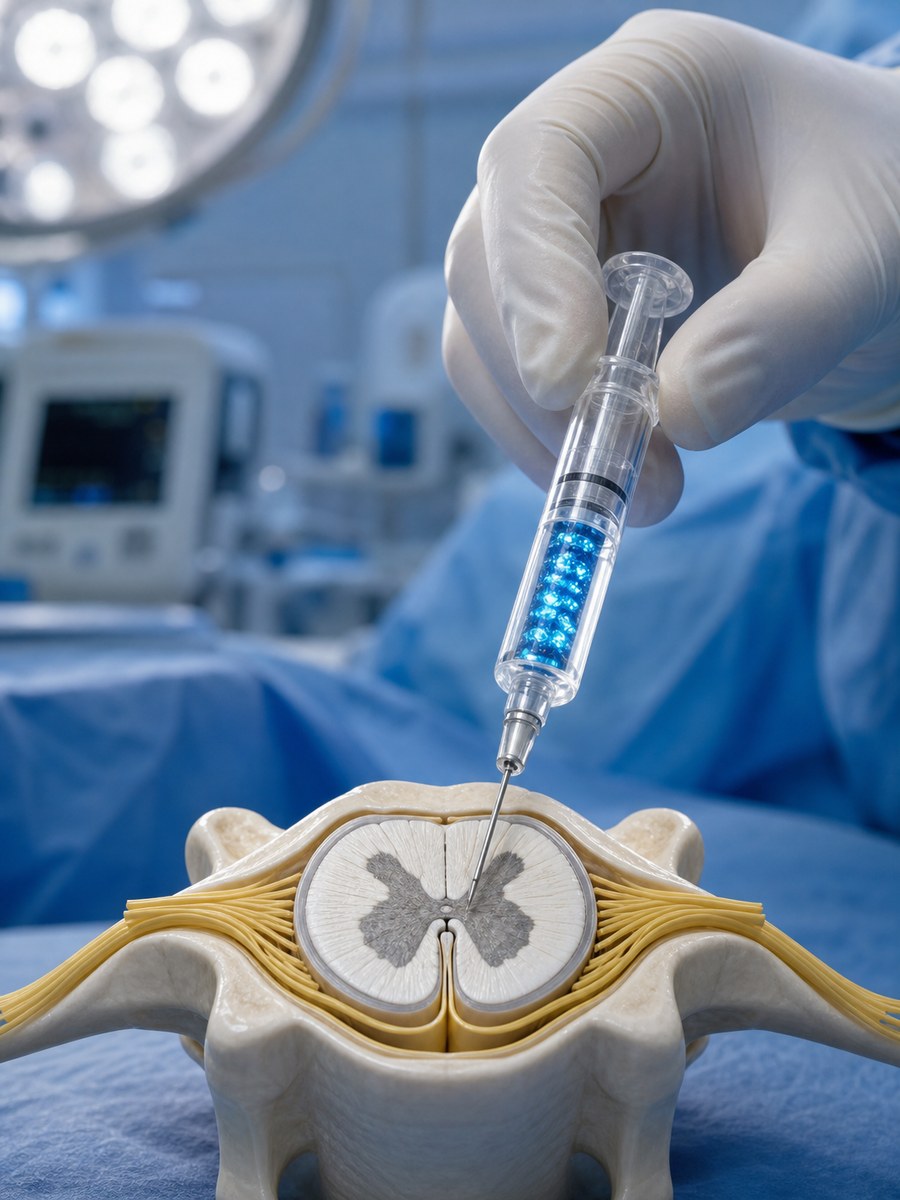
Oremepermin alfa is a lab-made copy of a natural human protein called hepatocyte growth factor, or HGF. Despite the name — which comes from its original discovery in the liver — HGF does useful things all over the body, including in the nervous system. In animal studies it protected nerve cells from dying and encouraged damaged nerve fibres (axons) to grow. That combination is exactly what you would want in the immediate aftermath of a spinal cord injury.

To understand why timing matters, it helps to know that a spinal cord injury happens in two stages. The "primary injury" is the physical damage from the accident itself — the crush, the tear, the bruise. There is nothing a drug can do about that; it has already happened. But over the following hours and days, a "secondary injury" unfolds, in which inflammation, swelling and chemical stress spread the damage into nearby tissue that survived the initial blow. Kringle's bet is that giving HGF during this window can calm that secondary wave and preserve nerve tissue that would otherwise be lost.

How it is given

The drug is delivered by intrathecal injection — into the fluid-filled space around the spinal cord — starting about 72 hours after injury and repeated once a week for five weeks. That is a practical detail worth noting: it means the treatment has to begin in an acute hospital setting, very soon after someone is injured, which is a very different logistical challenge from a therapy someone chooses years down the line.

What the trials have shown so far

Kringle's earlier Phase 1/2 study enrolled 45 people with severe cervical (neck-level) injuries and compared the drug against a placebo. The honest headline is mixed. On its main pre-specified measure — the change in ASIA motor score at 24 weeks — there was no statistically significant difference between the drug and placebo. In plain terms, the study did not hit its primary target.

But the secondary results were encouraging enough to keep the programme alive. Among people who started out completely paralysed (graded "A" on the ASIA scale, the most severe category), 26.7% of those given HGF improved to an incomplete injury with some function below the injury level, compared with 6.3% on placebo. That is a small number of patients — four out of fifteen versus one out of sixteen — so it has to be read cautiously. Still, for people who began with complete paralysis, any recovery of function is meaningful, and the pattern was consistent enough that regulators granted the drug orphan status.

A follow-up Phase 3 study in Japan, in which all 25 evaluated participants received the drug (no placebo group this time), finished enrolling patients back in 2023. Kringle has said it is now preparing an additional study, and has been building the machinery to take the drug internationally: it recently set up a US subsidiary, Kringle Pharma USA, and has collected orphan drug designations from Japan, the US Food and Drug Administration, and the European Medicines Agency. Orphan status is a regulatory designation that gives incentives to companies developing treatments for conditions with relatively few patients — it is a signal of official encouragement, not proof that a drug works.

Why it matters

There is still no approved drug that treats the spinal cord injury itself. Care today means stabilising the spine, surgery where needed, and rehabilitation to make the most of whatever function remains. A treatment that could reliably nudge even a fraction of people from complete to incomplete injury would be a genuine shift. Oremepermin alfa is not there yet, and the mixed Phase 1/2 result is a real caution. But it is one of a small handful of drug candidates that have made it as far as late-stage human trials for acute injury, and that alone makes its next steps worth following.

Reader Q&A

Could this help me if my injury was years ago? Unfortunately no — at least not as it is currently being developed. Oremepermin alfa is aimed squarely at the acute phase, the first days after injury, when secondary damage is still spreading. It is not designed to repair an old, established injury. Different approaches (stem cells, scaffolds, nerve-stimulation techniques covered elsewhere on this site) are the ones targeting chronic injury.

Does it "cure" paralysis? No. The most it has shown so far is that a minority of people with complete injuries recovered some function below their injury level — and even that came from a secondary measure in a study that missed its main goal. It is a potential way to reduce the severity of an injury, not to reverse it.

When could it actually be available? That is genuinely uncertain. The company has completed one Phase 3 study in Japan and is preparing an additional trial, with US plans in the works. Even in the best case, additional trials, regulatory review and manufacturing would take years. This is a "watch this space" story, not an available treatment.

Is Kringle Pharma reliable, or is this hype? It is a real, publicly listed company that has been developing HGF therapies since 2001 and has published its trial results in peer-reviewed journals such as the Journal of Neurotrauma. That is a good sign. But "in late-stage trials" is not the same as "proven," and the earlier study's mixed result is the honest counterweight to the optimism.

Read full article → (external link)
Human Interest Recovery 24 JUL 2026

Paralysed From the Neck Down, He Walked Out of Hospital 15 Months Later

A New York father who was paralysed from the shoulders down in a freak accident has walked again — an outcome doctors said fewer than one in twenty people with his type of injury achieve.

Read More

Deep Dive

Seth Kurpiel remembers the moment with unnerving clarity. "I was lying on the ground, facing up, fully conscious. And it was the scariest moment of my life."

The 47-year-old father of two from Great Neck, New York, had fallen from a swing set — a freak accident that left him paralysed from the shoulders down with a serious spinal cord injury. Fifteen months later, he walked out of hospital unassisted, in front of the staff who had treated him. For a story that began in the worst possible way, it is a remarkable place to end up.

A long road, not a miracle switch

It is worth being honest about what "walked again" means here, because recovery stories like this are often flattened into something simpler than they really are. Kurpiel was a marathoner and an athlete before his injury, and his doctors said that fewer than five percent of people with his type of injury walk again. His recovery took more than a year of work, not an overnight turnaround.

What made a difference, according to his care team, was the combination of timing and location. Kurpiel was close to North Shore University Hospital's Trauma Center, and getting rapid, specialist trauma care after a spinal cord injury can shape everything that follows. Early treatment does not guarantee a good outcome — but delays can foreclose one.

Why some people recover and others do not

Spinal cord injuries are not all the same, and that is the key to understanding a story like this. Injuries are described as "complete" or "incomplete" depending on whether any signal is still getting through the damaged section of the cord. Someone with an incomplete injury has surviving nerve pathways that, with intensive rehabilitation, can sometimes be trained to do more over time. That is very different from a complete injury, where no signals cross the injury site.

The fact that Kurpiel regained the ability to walk suggests his injury preserved at least some function that rehabilitation could build on — which is exactly why his doctors framed his recovery as rare rather than impossible. It is a genuine achievement earned through months of effort, and also a reminder of why the same injury can lead to very different outcomes for different people.

Reader Q&A

Does this mean paralysis can be reversed? No — and it is important not to over-read it. This is one person with a specific injury who, through fast trauma care and long rehabilitation, regained the ability to walk. Many spinal cord injuries do not allow for this kind of recovery, and nothing here changes that. His doctors were clear that his outcome is uncommon.

Why does timing and proximity to a trauma centre matter so much? After a spinal cord injury, swelling and secondary damage can worsen the initial harm. Rapid specialist care helps stabilise the injury and manage those secondary processes, which can protect whatever function remains. It is one of the reasons trauma systems and quick transfer to specialist units matter.

Is this connected to any new treatment or device? Not in this case. Kurpiel's recovery came through emergency trauma care and sustained rehabilitation rather than an experimental implant or drug. It is a human-interest recovery story, not a technology breakthrough.

Read full article → (external link)